University of Michigan Biological Station
Submitted by John Lenters
University of Michigan Biological Station
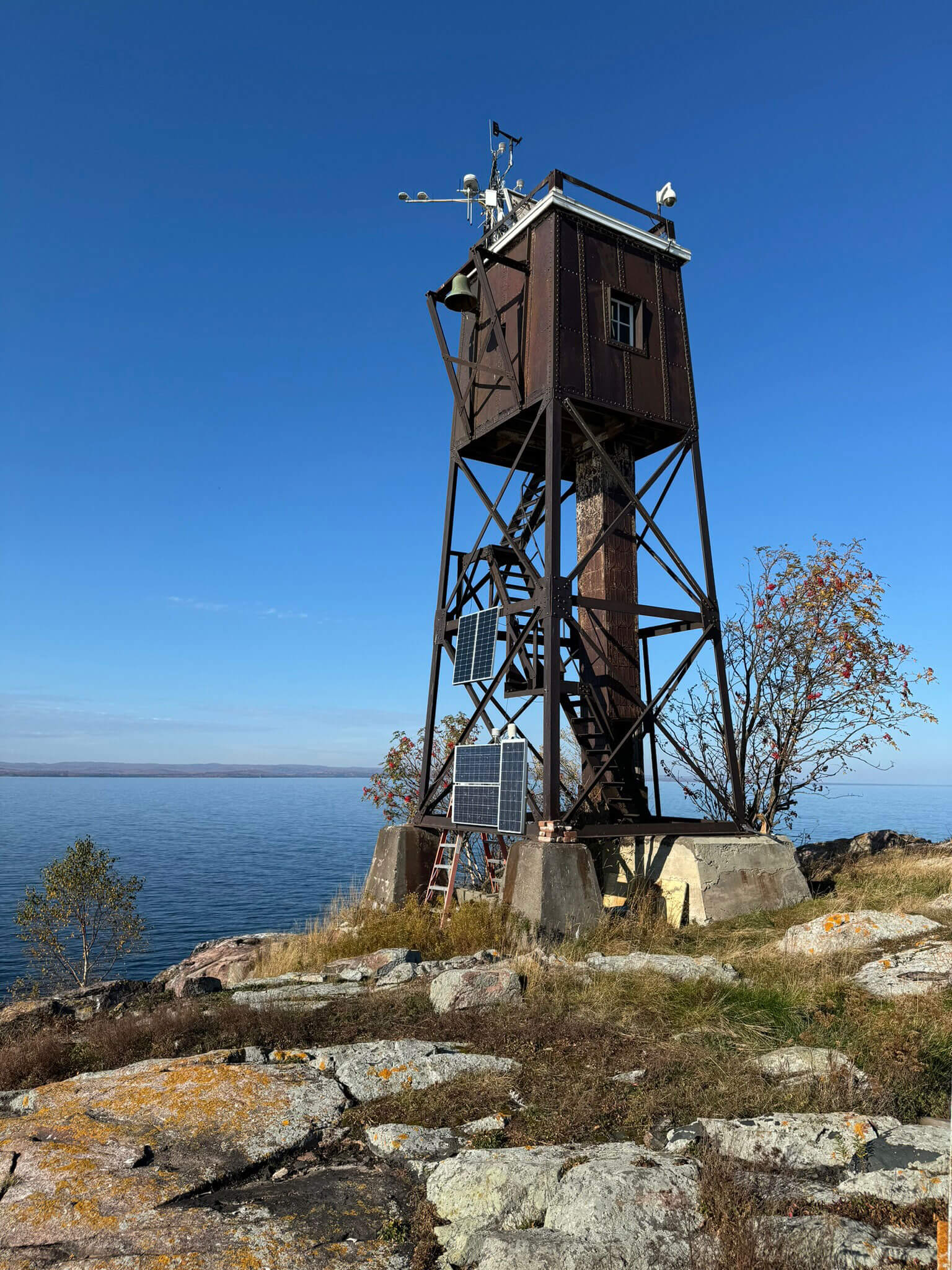
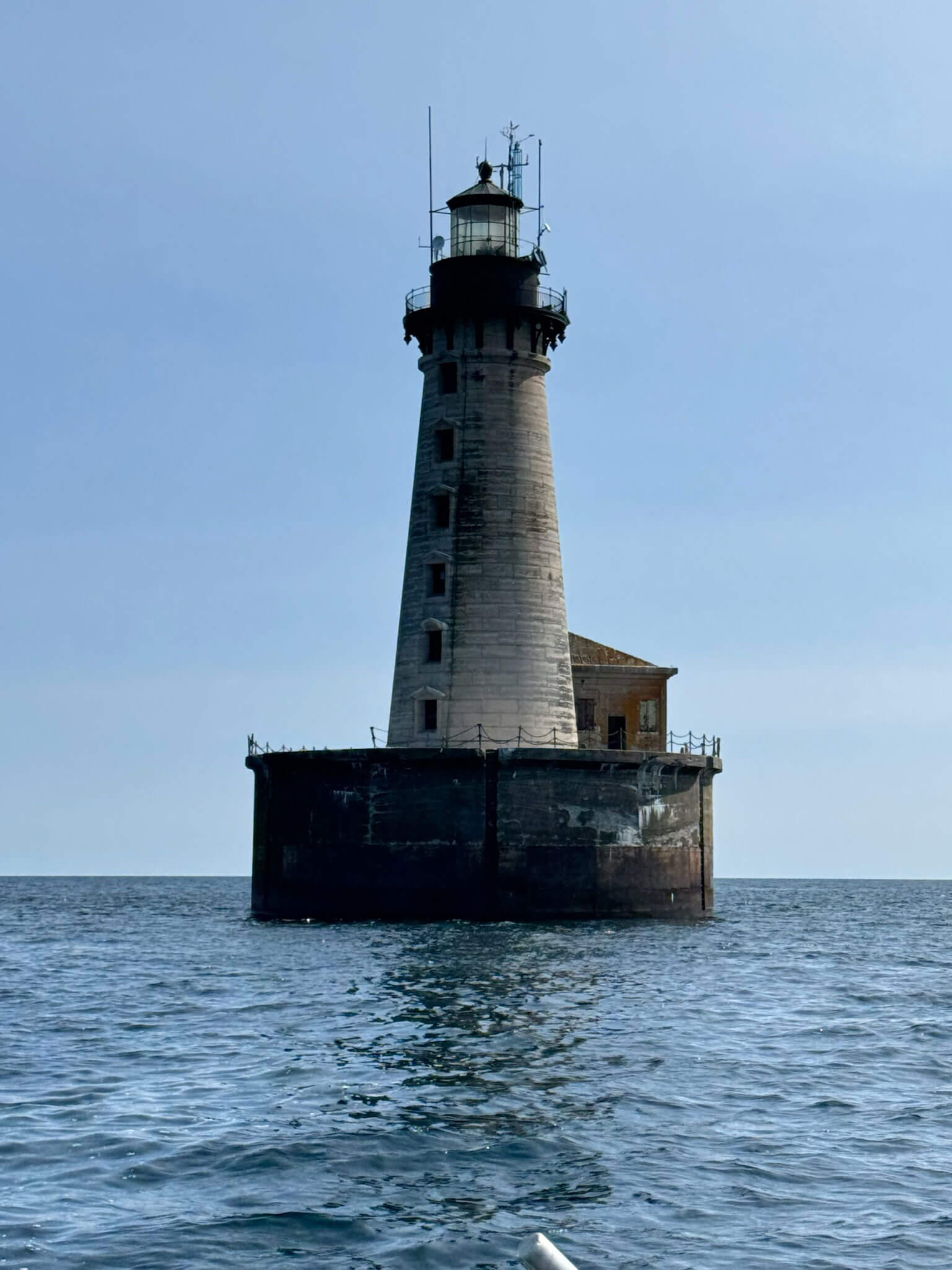
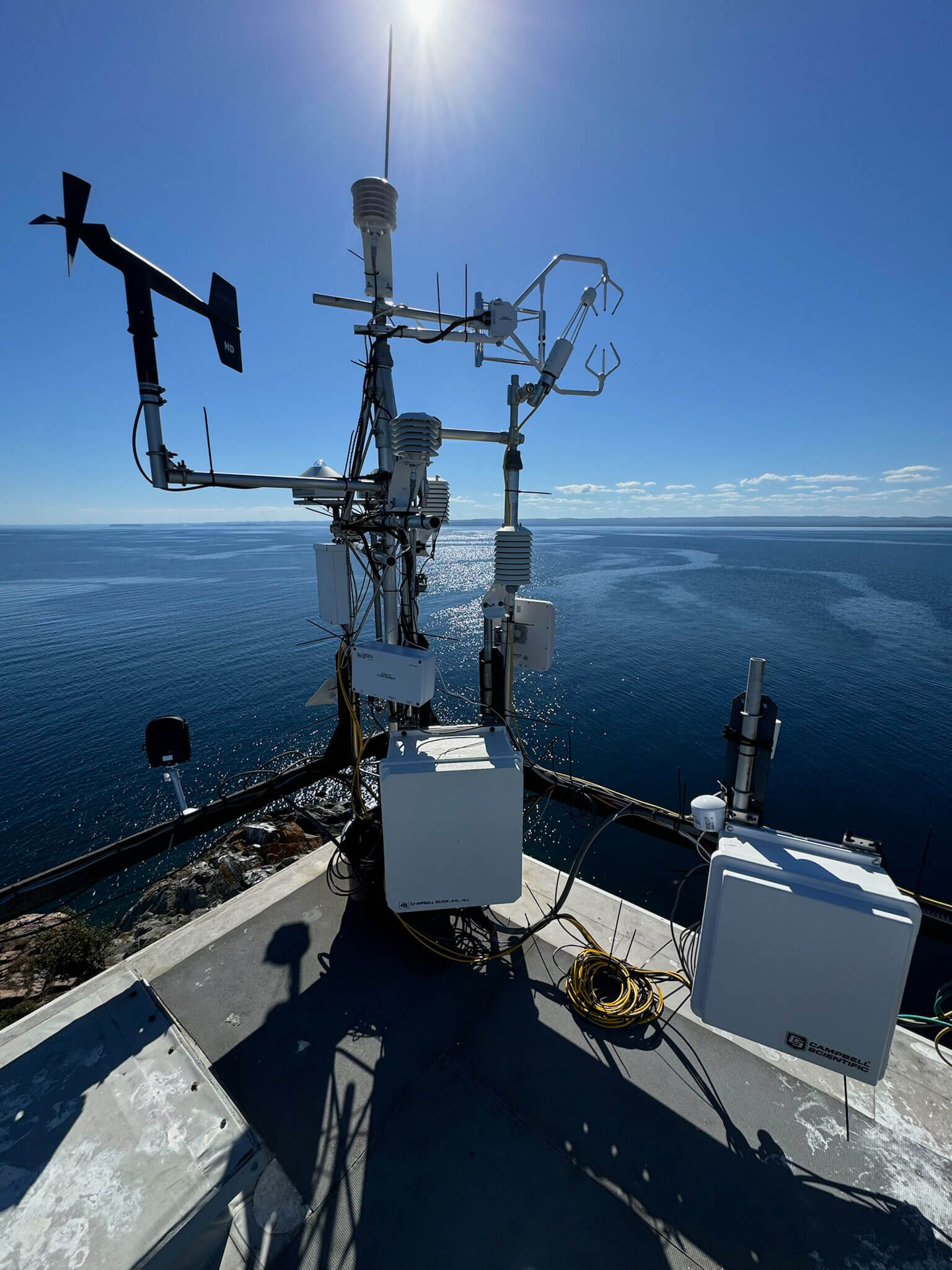
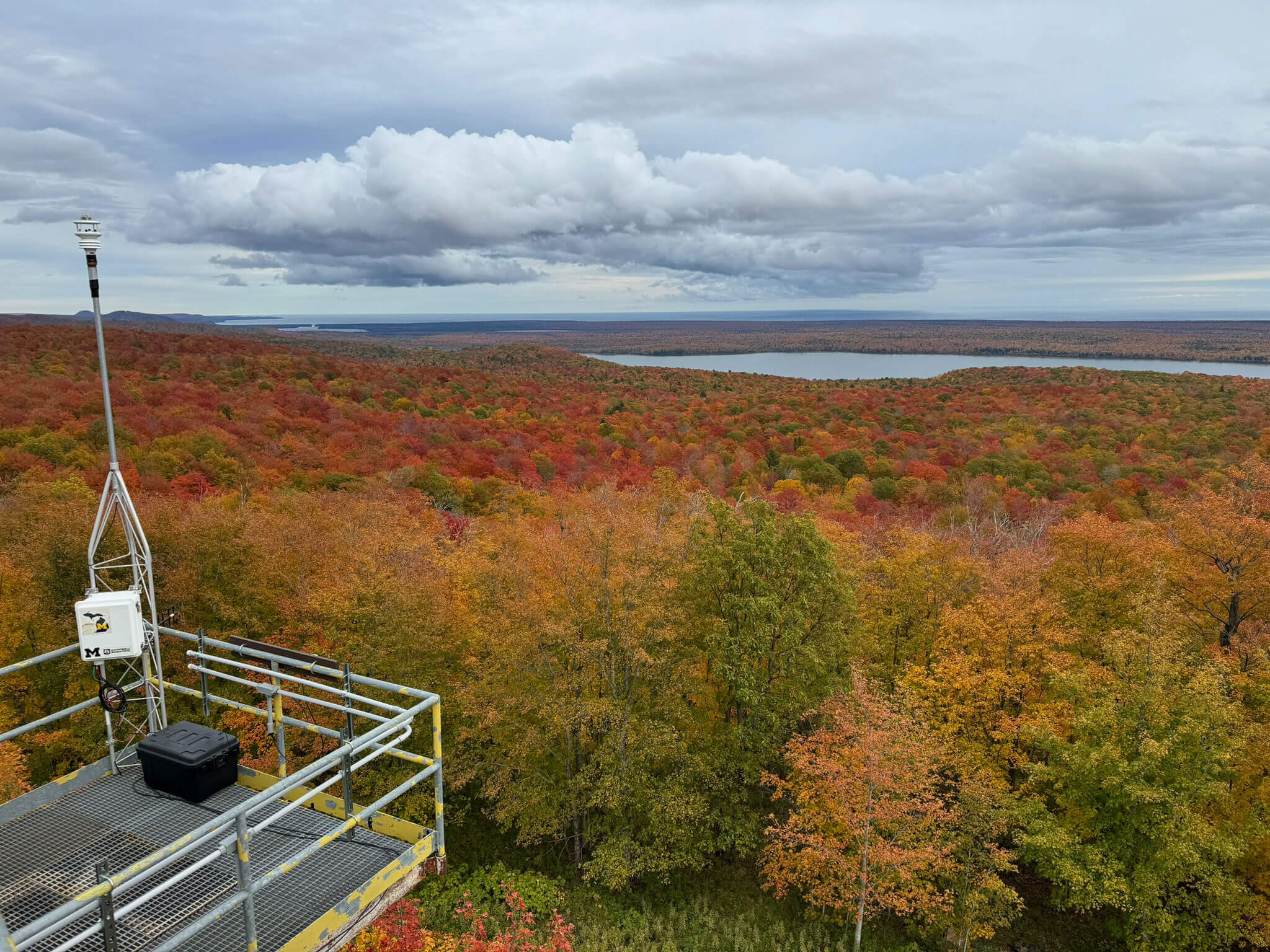
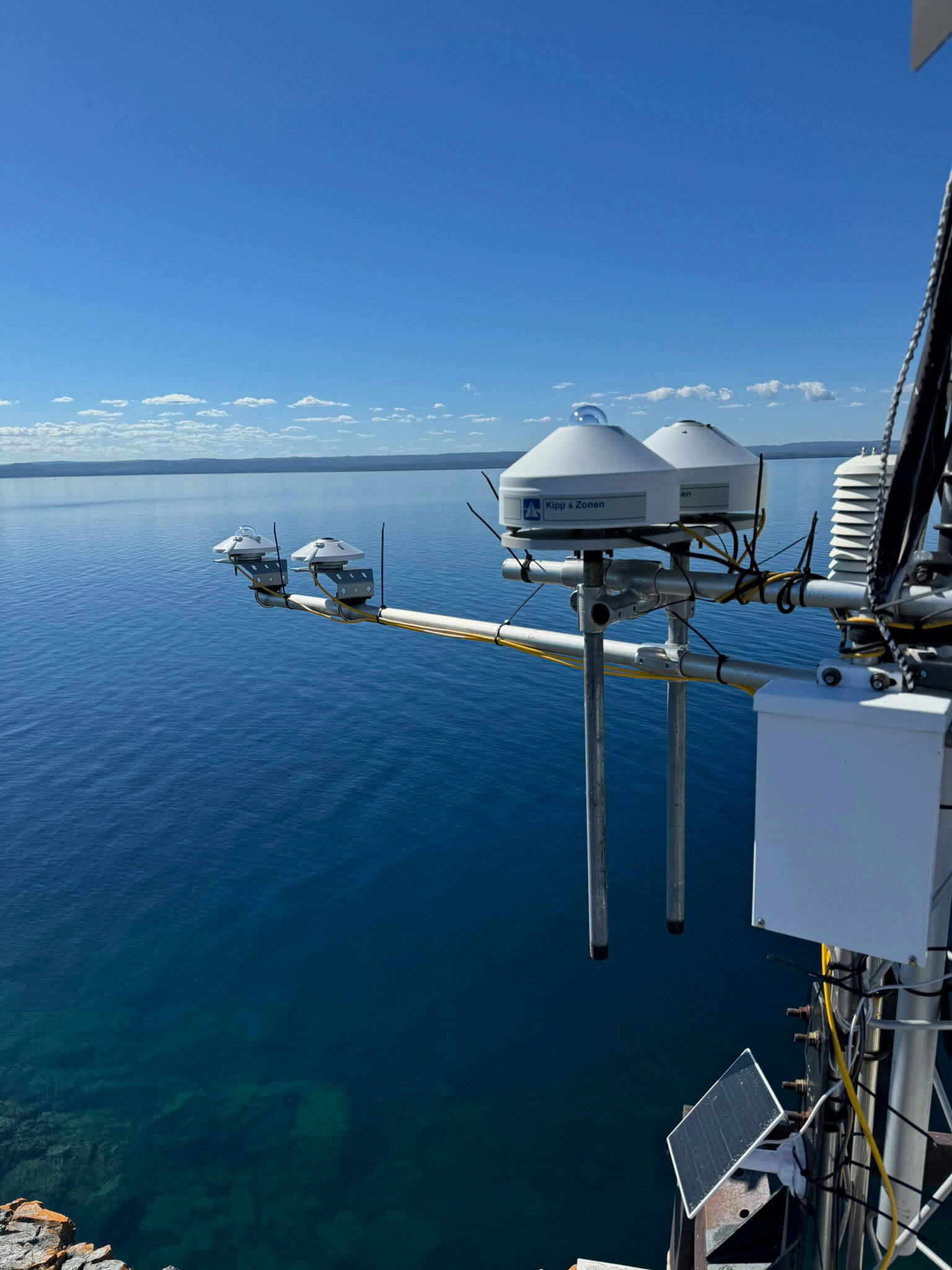
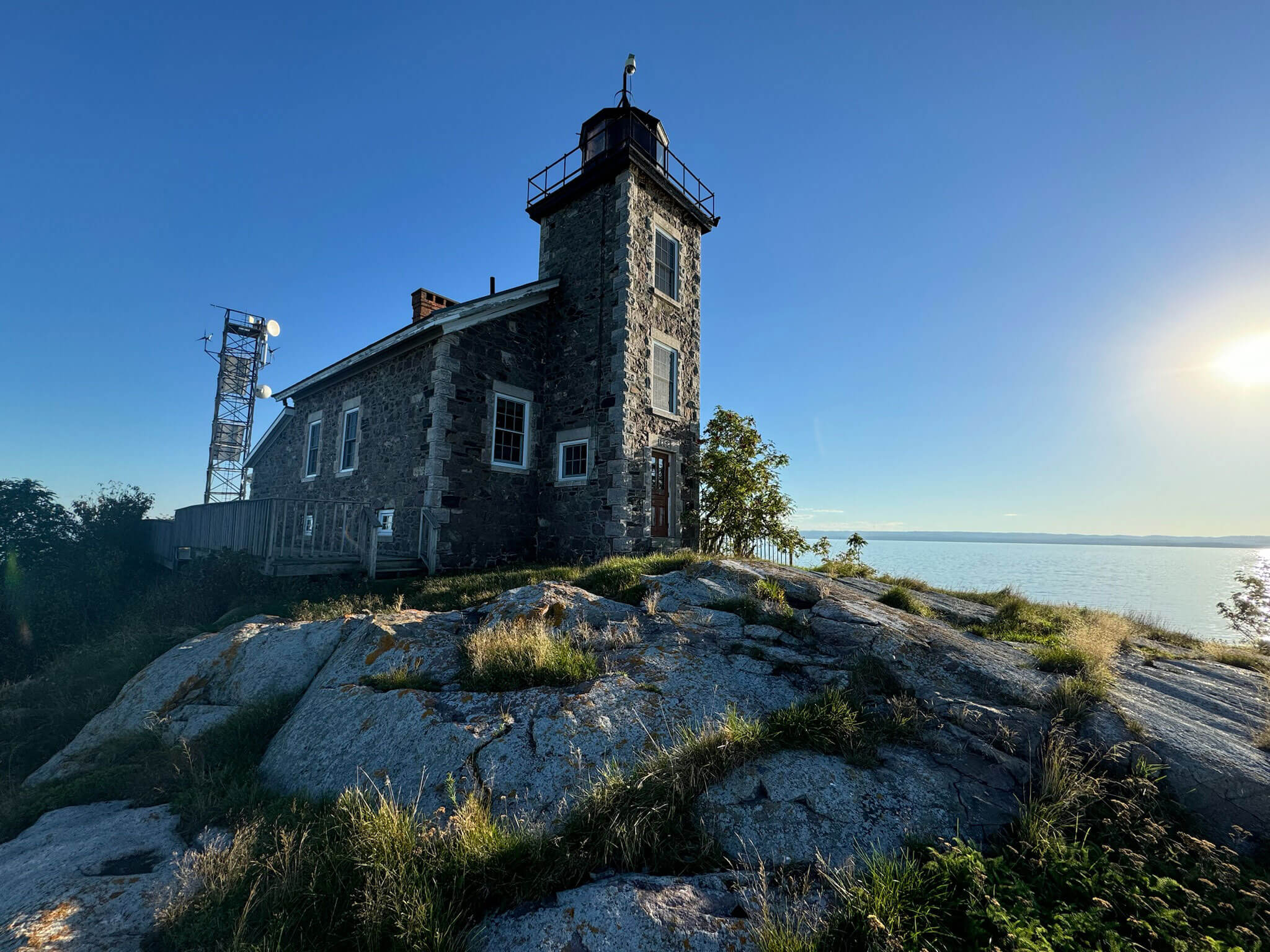
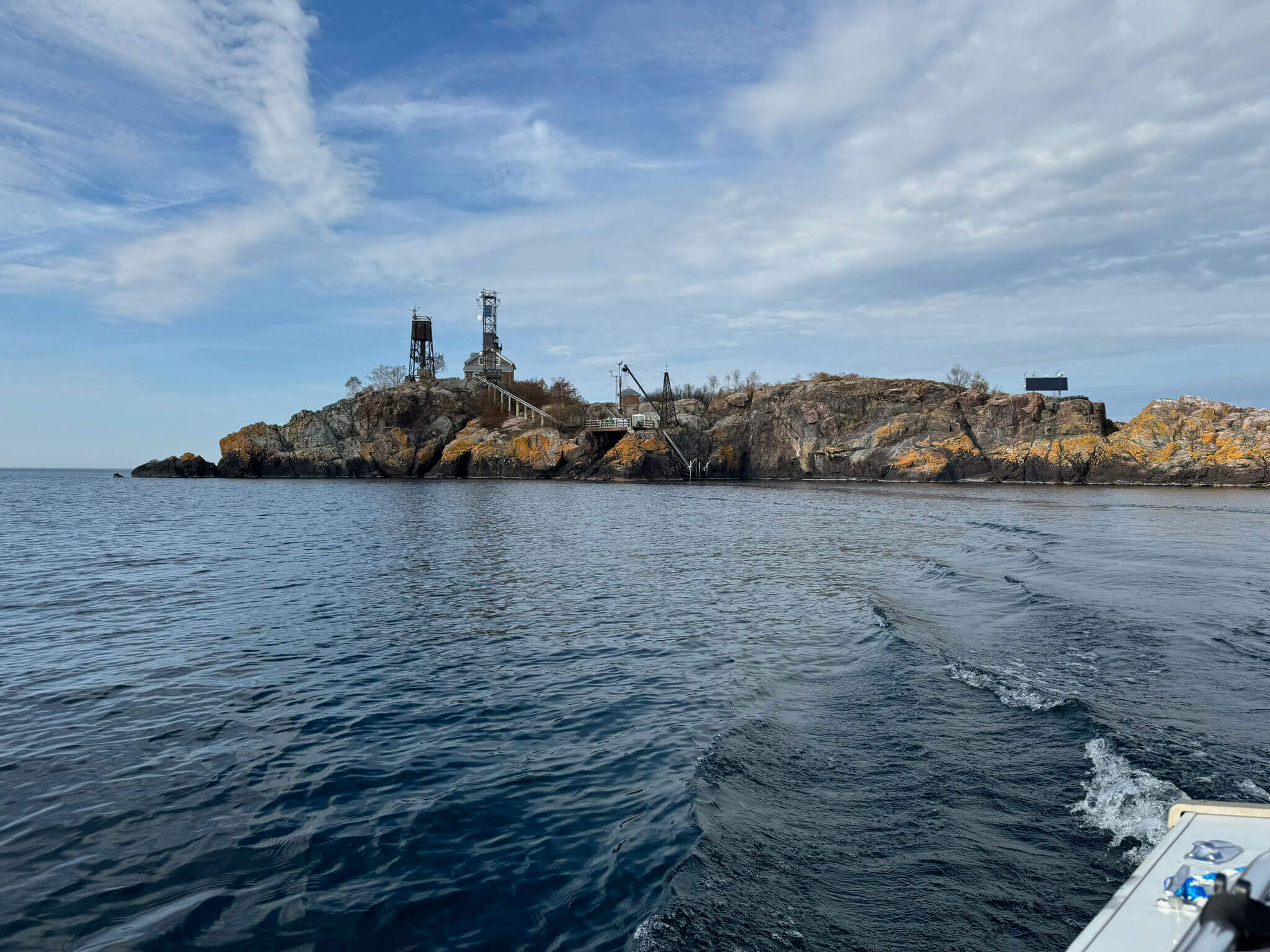
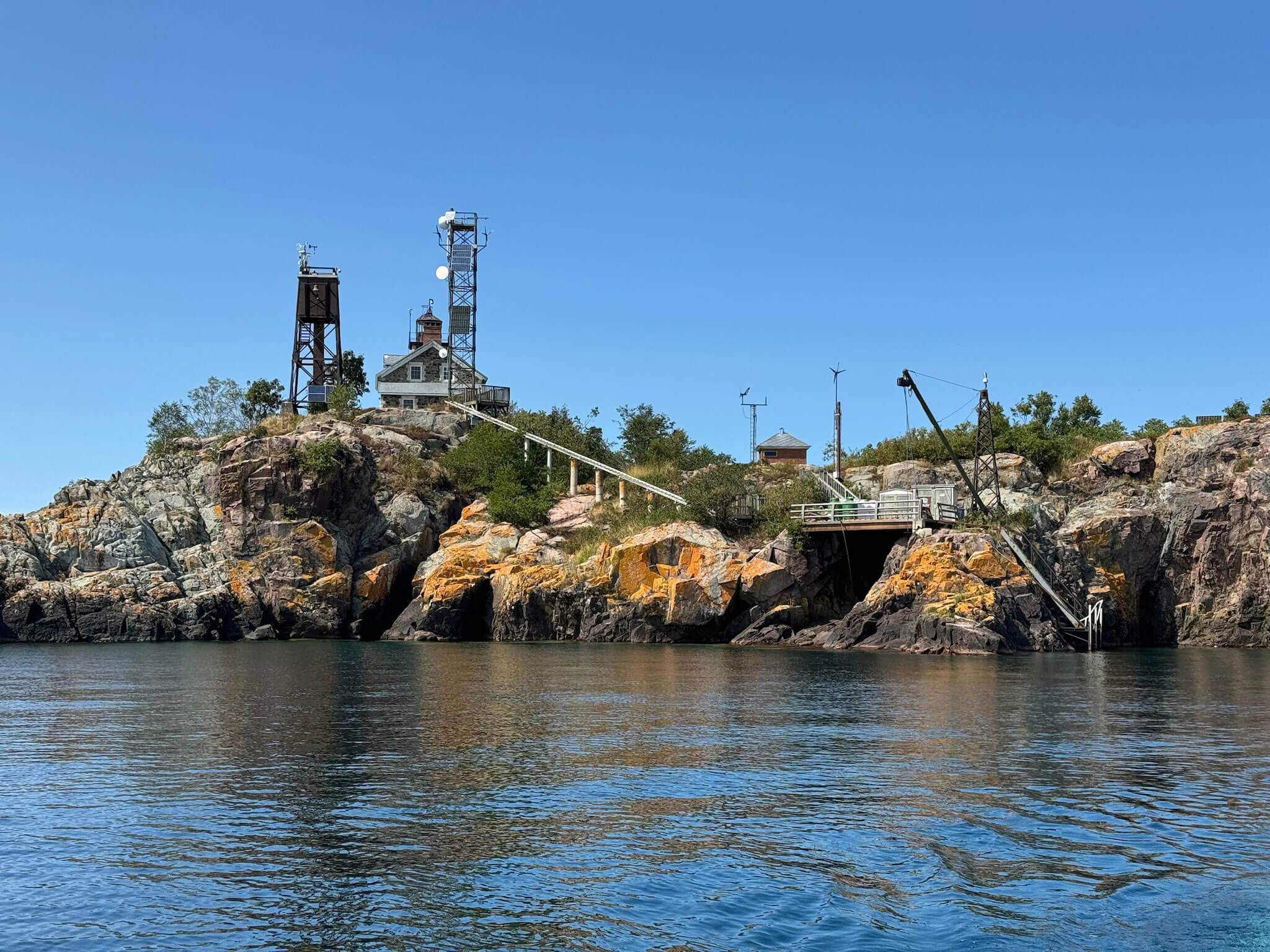
In support of the Smart Great Lakes Initiative, partners with the Great Lakes Evaporation Network (GLEN) have been working over the past two years to implement GLOS-funded infrastructure upgrades at the two longest-running GLEN sites on Lake Superior (Stannard Rock and Granite Island).
This has included data management upgrades such as the integration of Great Lakes evaporation and related flux data into the AmeriFlux network at sites US-GL1 and US-GL2, as well as the publication of a data paper describing the first 15 years of eddy covariance data from Stannard Rock. Recent instrumentation upgrades have included the implementation of a LI-COR “SmartFlux” device at Granite Island, allowing for access to fully-processed half-hourly flux data in real time (a first in the history of the GLEN network). A radio link and remote weather station at Stannard Rock has allowed for real-time data transmission to NOAA’s National Weather Service, and a new SmartFlux system will also be installed at Stannard Rock this coming year. Partners on the recent GLEN upgrades include Chris Spence and Newell Hedstrom (Environment and Climate Change Canada), Erin Nicholls (University of Calgary), John Lenters (University of Michigan Biological Station), and Peter Blanken (University of Colorado Boulder).